
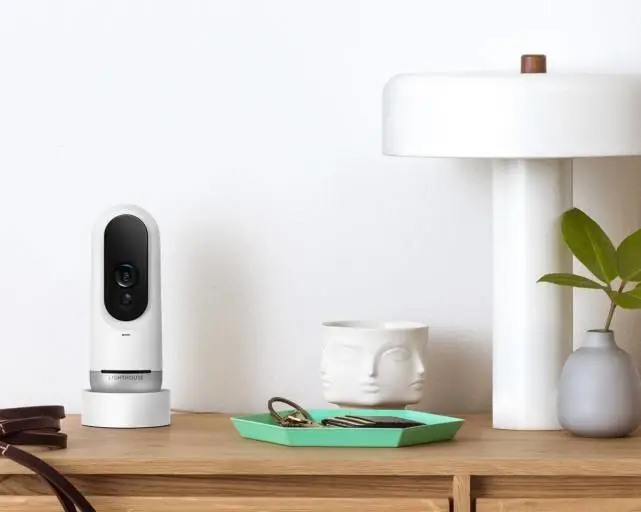
When Lighthouse AI chief executive Alex Teichman left home, he waved at the camera above his front door. His wife could wake to a notification with the farewell clip. The example illustrated a goal beyond security: a camera that understands ordinary requests such as “Tell me whenever Alex waves.”
A 3D sensor and machine learning allowed the system to distinguish people. Users could ask for alerts if the children had not returned by four on a weekend, or if a stranger appeared at the door. It could also detect movement in an empty home. Teichman described security as one part of a broader understanding of household activity.
Founded in 2015, Lighthouse had raised US$17 million according to the article. Its first product went on sale through Amazon and its own website. Competitors included Nest, whose integration with Google strengthened its AI capabilities, and Amazon, which had acquired doorbell maker Ring.
Teichman and Hendrik Dahlkamp met through Stanford’s autonomous vehicle project. Dahlkamp had sold two startups to Google and helped develop Street View. SignalFire investor Chris Farmer cited the founders’ understanding of the problem and their computer vision expertise as reasons for investing.
Nest could recognize faces too. Farmer saw a difference in Lighthouse’s focus on AI from the beginning. He envisaged a smart-home hub that users could speak to and that could interpret what happened within view.
Teichman described work on integrating with If This Then That, allowing a camera event to control other devices: turn on the kitchen lights when a child comes home, or lock the door after the dog walker leaves. The company, then reported to have 34 employees, was exploring small-business security and services for older people. Source credited by the original article: Tencent Digital (An An).